
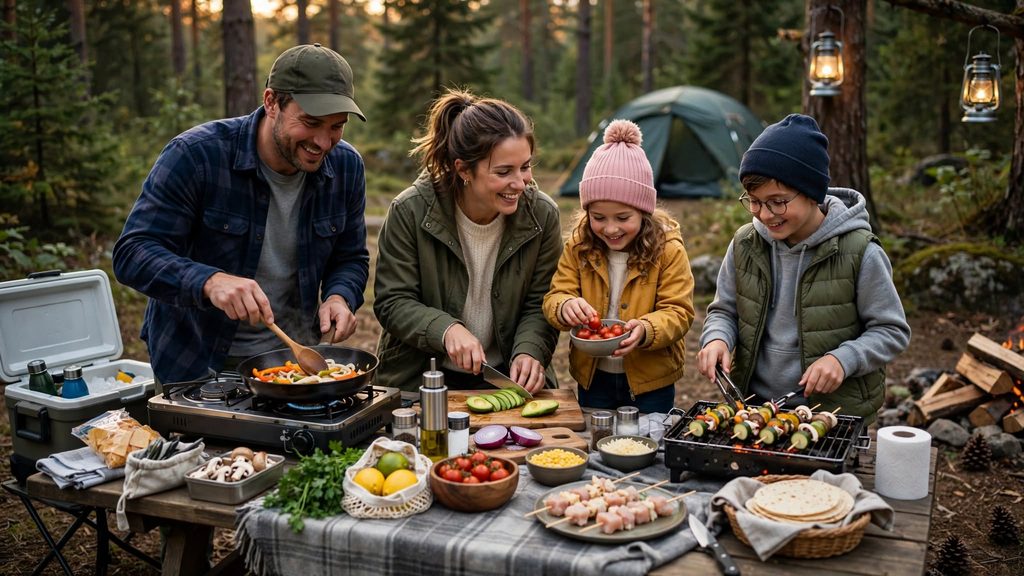
Food can become one of the most enjoyable parts of a camping holiday, but only when meals are planned with the outdoor setting in mind. At home, it is easy to reach for another pan, ingredient, or appliance. At a campsite, limited storage, cooking equipment, refrigeration, and preparation space can make even a familiar recipe more complicated.
Good family camping meal planning is therefore less about creating an impressive menu and more about choosing practical food that everyone will enjoy. With a little preparation before leaving home, families can spend less time organizing meals and more time relaxing, exploring, and enjoying the campsite together.
Plan Meals Around Your Camping Setup
Before deciding what to cook, consider what facilities will actually be available. A campsite with electricity, a refrigerator, picnic tables, and washing facilities offers different possibilities from a basic tent pitch with only a portable stove.
This is also why choosing the right campsite matters. When considering What Makes a great family campsite, cooking facilities, access to drinking water, food storage options, and nearby shops can all influence how simple meal preparation will be.
Think about the equipment you will have with you. A camping stove may be suitable for pasta, eggs, soup, and one-pan meals, while a barbecue creates other possibilities. If cooking space is limited, avoid planning dishes that require several pots or complicated preparation at the same time.
Create a Simple Camping Meal Plan
Planning breakfast, lunch, dinner, and snacks before the trip reduces last-minute decisions. You do not need to schedule every bite, but having a basic menu helps you buy appropriate quantities and avoid bringing ingredients that never get used.
Keep Breakfast Quick
Mornings can become busy when children are getting dressed and the family is preparing for the day’s activities. Choose breakfasts that require minimal cooking.
Cereal, fruit, yogurt, toast, overnight oats, or simple breakfast wraps can work well depending on your storage facilities. If you want a cooked breakfast, eggs with toast or pancakes made from a prepared mix can keep the process manageable.
Make Lunch Flexible
Lunch is often easier when it does not require much cooking, particularly if the family plans to spend the day hiking, visiting nearby attractions, or relaxing away from the tent.
Sandwiches, wraps, salads, crackers, fruit, and pre-prepared vegetables are convenient choices. Portable lunches also make it easier to adjust plans without having to return to the campsite specifically to cook.
Choose Straightforward Evening Meals
Dinner can be more substantial while still remaining simple. One-pot pasta, rice dishes, grilled vegetables, burgers, sausages, baked potatoes, or easy campfire meals can reduce both preparation and washing up.
Try using ingredients across several meals. For example, tortillas could be used for breakfast wraps one morning and filled with cooked vegetables or meat for dinner later in the trip. This approach reduces the number of separate items you need to pack.
Prepare Ingredients Before Leaving Home
One of the easiest ways to simplify camping meals is to complete some preparation in your own kitchen.
Vegetables can be washed and chopped, suitable sauces can be prepared, and dry ingredients can be measured into labelled containers. Food that requires marinating can also be prepared beforehand and stored appropriately.
Pre-preparation is especially useful for ingredients that would otherwise require several utensils and a large work surface. It can also reduce the amount of packaging you need to take to the campsite.
Avoid preparing everything too far in advance, however. Consider how long ingredients can be safely stored and whether reliable refrigeration will be available throughout the trip.
Organize Food for Easy Access
Packing food carefully is just as important as choosing the menu. Separate items according to how they will be used rather than placing everything randomly into bags and containers.
Keep frequently used foods such as snacks, bread, drinks, and breakfast ingredients accessible. Ingredients that must remain cold should stay properly chilled until they are needed.
It can also help to group dry foods together and use secure containers for opened packages. This makes the cooking area easier to manage and helps protect food from moisture, insects, and animals.
Pack Snacks That Require Little Preparation
Children often become hungry between planned meals, particularly after walking, swimming, cycling, or playing outdoors. Having easy snacks available can prevent you from having to start cooking every time someone wants something to eat.
Depending on your family’s preferences and storage arrangements, practical options may include:
- Fresh or dried fruit
- Crackers
- Cereal bars
- Vegetable sticks
- Popcorn
- Sandwiches or small wraps
- Nuts or seeds where appropriate for your family
Pack some snacks in smaller portions so they can easily be carried during walks or day trips.
Keep Food Safety in Mind
Outdoor cooking requires sensible food handling. Perishable foods need appropriate temperature control, especially during warm weather. Use suitable coolers or refrigeration where available and avoid leaving foods that require chilling sitting outside unnecessarily.
Keep raw ingredients separate from ready-to-eat foods, and use clean utensils and preparation surfaces. Washing hands before preparing and eating food is equally important.
Bring enough safe drinking water if it is not reliably available at the campsite. It is useful not only for drinking but also for cooking and cleaning.
Allow Some Flexibility in the Menu
A detailed camping meal plan is useful, but it should not become another schedule the family has to follow rigidly. Weather, activities, changing appetites, or tired children may alter your plans.
Include a few meals that can be prepared quickly when nobody wants to spend much time cooking. Keeping some shelf-stable ingredients available can also provide a practical backup if plans change.
There is no problem with repeating a successful breakfast or having sandwiches for lunch more than once. Camping meals should support the holiday rather than create additional work.
Make Mealtimes Part of the Camping Experience
Food preparation does not always have to be treated as a chore. Simple jobs can allow family members to participate according to their age and ability. Children might arrange sandwich fillings, prepare plates, mix ingredients, or help organize the picnic table under suitable supervision.
Eating outdoors also gives ordinary meals a different atmosphere. A simple dinner enjoyed together after a day outside can become part of the camping experience without requiring a complicated recipe.
Conclusion
Planning easy and enjoyable meals for a family camping trip comes down to preparation, simplicity, and flexibility. Start by considering the facilities at your campsite, then choose meals that suit your cooking equipment and storage options.
Preparing some ingredients at home, using foods across multiple meals, packing convenient snacks, and organizing supplies carefully can make campsite cooking much easier. Most importantly, leave room to adapt your menu as the trip unfolds. When food is straightforward to prepare and enjoyable to share, mealtimes can complement the camping experience rather than take time away from it.